How to Build Your Product Roadmap and How Software Can Help
Learn how to build the best product roadmap using the right strategy and software.

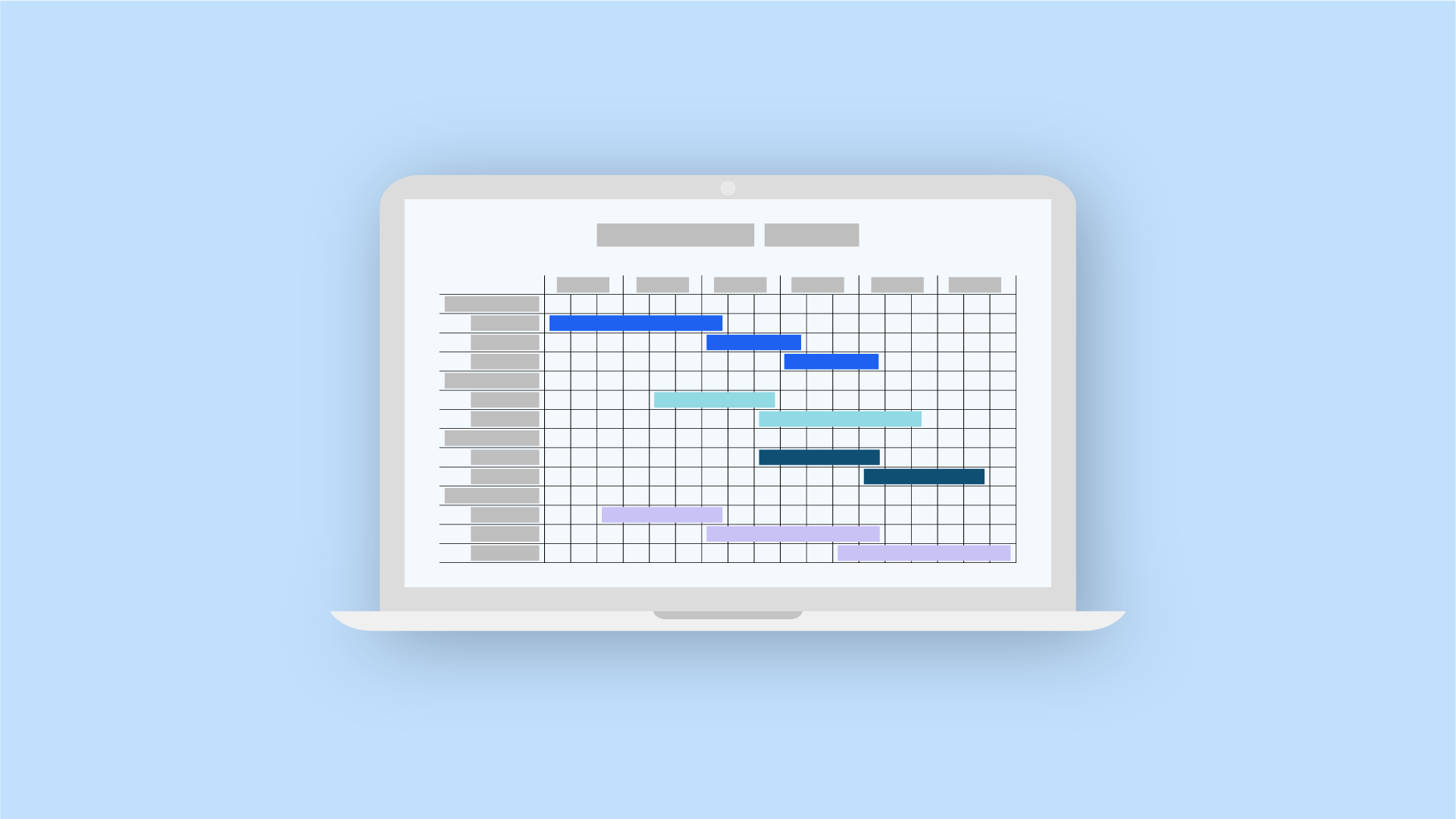
A product roadmap is a Gantt chart-like list of product features that are in the development pipeline.
A well-designed, well-executed product roadmap can help you retain loyal customers and keep dissatisfied ones from churning. But it can be challenging to know which potential new features will resonate the most with your customers.
Let’s discuss how you can overcome this challenge with a strong strategy and product roadmap software.
Key takeaways
- The best product roadmaps start with an evidence-based understanding of what your users want. So, you’ll first need a robust digital analytics tool to understand user behaviors.
- Creating product roadmaps without a digital analytics tool often results in feature bloat, customer dissatisfaction, misallocated engineering resources, and lost revenue.
- The sequence of activities you follow to develop your product roadmap matters. Understand user stories and behaviors first, then seek the best product roadmap tool to prioritize product features and improve team collaboration.
What is a product roadmap?
A product roadmap summarizes upcoming new product features and enhancements mapped against a future timeline.
Product roadmaps give your teams and co-workers a time-bound action plan. It helps you break down your final deliverables into smaller milestones and tasks and allocate roles and responsibilities for each.
Good roadmaps also tie individual tasks back to a specific problem, use case, or workflow relevant to a particular user segment—helping your teams see how their contributions fit into the big picture of the business.
Because a roadmap organizes all tasks in one place, you can also use it to align and update stakeholders on the progress of a specific feature.
4 key product roadmap components
All effective product roadmaps have at least a few of these four components—the features you will build, why they’re important, when you’ll deliver them, and how you will allocate internal resources.
- What functionalities will you build? Create a list of upcoming product features or enhancements. Improve clarity using self-explanatory task names, like “develop SSO access” or “enhance the in-app messaging feature.”
- Why are these features important? Detail the value of each proposed feature. Data points like “more than 50% of power users have requested SSO” can go a long way toward articulating why your team should prioritize one feature over another.
- When is the delivery? Define and communicate clear task deadlines, considering resource availability, existing backlogs, skills, and dependencies, and include adequate buffers.
- How will you allocate resources? Detailed roadmaps also contain information about task owners, roles, and responsibilities. Creating sub-tasks will further improve planning and ensure timely delivery.
Who are product roadmaps for?
Roadmaps are primarily for internal stakeholders, such as your executive leadership and engineering, product, marketing, and sales teams. But you can also use them to align external partners and excite customers about your product's long-term vision. However, the content and detail of your roadmap should vary based on your audience, providing different levels of detail for different groups.
- Roadmaps for the executive team: Focus on how upcoming product features will improve business goals and objectives. For example, highlight how adding an SSO feature will delight your power users and lead to higher customer lifetime values. Your executive-level roadmap should tie all features back to high-level company goals, like increased revenue, lower churn, or higher customer satisfaction. You can also use this roadmap to report monthly and quarterly progress.
- Roadmaps for the development team: Focus on clarifying the link between your customer problem and the proposed solution. For example, if you’re proposing an SSO feature, establish that power users have security concerns before diving into how SSO can reduce brute-force attacks and credential-stuffing attempts from bad actors. An effective roadmap will also break this solution into smaller tasks and map it against development cycles or sprints. Getting upfront buy-in on release dates and task owners also goes a long way toward ensuring timely releases.
- Roadmaps for the product team: Focus on getting the value proposition, user segment, and supporting evidence right. For instance, you may want to establish that over 50% of power users on your growth plan have inquired about SSO during sales, onboarding, or via customer support.
- Roadmaps for the marketing and sales teams: Focus on value propositions and user segments. Mapping the right set of users against the most relevant upcoming features can help your marketing and sales teams develop effective campaigns and custom 1:1 interactions. Marketing can use this product roadmap information to create an email campaign around the upcoming SSO feature.
- Roadmaps for customers and external partners: Focus on getting these external stakeholders invested in what’s coming next. Roadmaps with fewer details but are visually captivating work best. Show mockups, link to demo videos, and present use cases wherever possible.
Internal vs. external product roadmaps
A key difference between internal and external roadmaps is the level of detail. Internal roadmaps will always have more information, like target users, the reasoning or evidence behind a feature’s importance, and other internal planning details. Conversely, external roadmaps typically only contain the upcoming product features and estimated release dates.
Do you need software to build product roadmaps?
The answer is yes if you want to create error-free, visually appealing, and automatically updated product roadmaps.
Four key advantages of using product roadmap software include:
- Increased visual appeal: Product roadmap software automatically creates beautiful roadmaps that you can share with your stakeholders. No additional formatting is needed.
- Streamlined management: Most roadmap software includes some project planning capabilities or, at the very least, can integrate with your project management tool. So, it helps you create sub-tasks and allocate task owners.
- Fewer errors: Software with pre-populated data about your team members, tasks, and deadline dates reduces the chance of manual errors.
- Automated tracking: Product roadmap software also enables task owners to report on task completion. This allows product leaders and managers to track progress without any additional effort.
Best product roadmap software
Amplitude + Productboard
Although most product roadmap solutions can help you create beautiful roadmaps, they can’t all help you prioritize the right features. Most product roadmap software also can’t provide you evidence-based answers to questions like,“Which user needs X feature the most?” “Who are my most valuable users?” or “What are the biggest customer needs?” But answering these questions helps you better decide what to build for whom.
Combining a product analytics tool like Amplitude with a product roadmap tool like Productboard overcomes this limitation. Amplitude’s integration with Productboard helps you prioritize features based on customer feedback and behavioral data.
For example, you could create a cohort in Amplitude for users who exhibit a particular behavior. Let’s say power users who use your product for more than four hours a week and subscribe to a growth plan. Next, you could isolate behaviors and feedback from this user segment to prioritize features to inform your roadmap creation process in Productboard.
Other product roadmap tools (in alphabetical order) on the market include:
- Aha! is a product development software that offers a visual drag-and-drop type user interface to capture ideas, prioritize features, and build roadmaps. It integrates with over 30 popular apps, with pricing starting at $59 per user per month.
- airfocus is a product management platform enabling users to build strategic and lean roadmaps. It offers ready-made integrations with popular tools like Jira, Trello, Asana, Azure DevOps, GitHub, and Zapier.
- ClickUp is a task management tool enabling users to create real-time dashboards that improve teamwork initiatives. It offers integrations via Zapier, and prices start at $7 per user.
- Craft.io is a product management platform that can also create roadmaps. It comes with over 20 built-in integrations and options to integrate other apps via Zapier. Monthly paid plans begin at $19 per user.
- ProdPad is an end-to-end product management tool that can create product roadmaps for lean and agile teams. Pricing for its roadmaps tool begins at $24 per user per month.
- ProductPlan is a roadmap platform that allows you to build and share visual roadmaps. It offers a REST API and at least 10 ready-made integrations. Paid plans start at $39 per user per month.
- Trello doesn't have a dedicated roadmap feature, but its drag-and-drop interface can simplify complex project management tasks using boards, lists, and cards. Its ready-made integrations can connect to virtually any app—including GitHub, Slack, and Jira integrations. Paid plans start at $5 per user per month.
Map your product’s success with Amplitude
Product roadmaps are the connection between your product vision and reality. But it takes more than just brainstorming ideas and building features. An impactful roadmap requires strategy, collaboration, and software.
Accessing valuable data and information enhances the value of your product roadmap—here’s where Amplitude can help.
Amplitude empowers businesses to delve deeper into user behavior, gain actionable insights, and make informed decisions.
With our robust digital analytics, you can make the most of your strategies, spot areas for improvement, and deliver a tailored and engaging user experience.
Use it to rev up your product development journey, turning your roadmap into a roadmap for product success.
All set to unlock your product development’s full potential? Get started with Amplitude today.

Nikhil Gangaraju
Director, Product Marketing, Amplitude
Nikhil is a product marketer at Amplitude focusing on Amplitude Analytics and works with teams to advance our mission to help companies build better products.
More from Nikhil


